
27.09. – 13.11.2026 »We Return as Rain, and Even Stones Begin to Bloom« with Adesuwa Aighewi, Adama Delphine Fawundu, Mónica de Miranda & Alberta Whittle

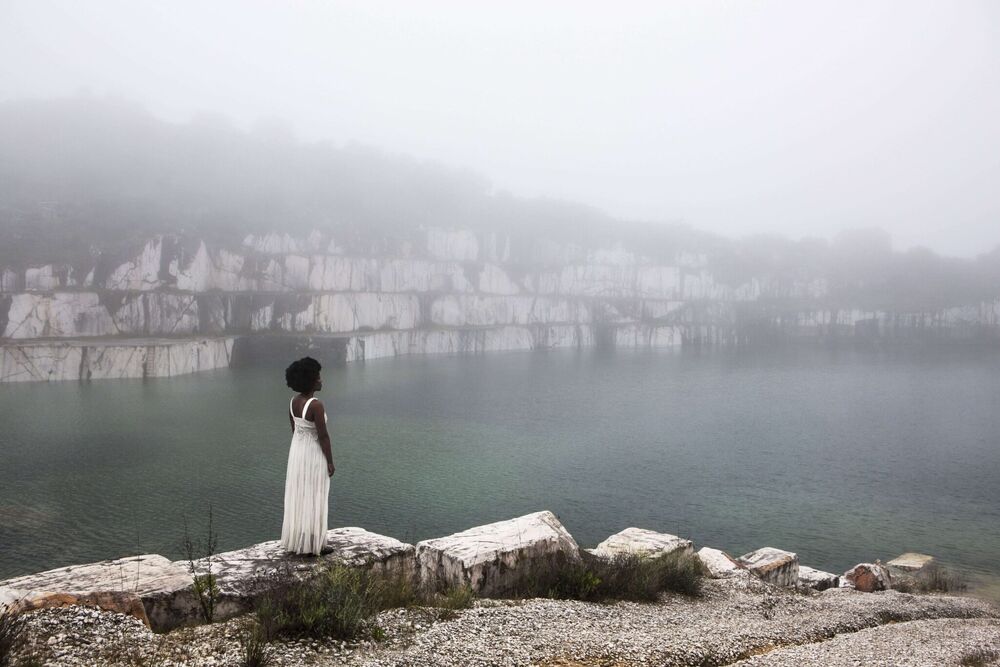
With the interdisciplinary exhibition project »We Return as Rain, and Even Stones Begin to Bloom«, M.Bassy e.V. continues its ongoing journey through Pan-African artistic and epistemic practices opening a resonant space for the Pan-African voices, visions, memories, and futures imagined by Black feminist artists from across the African continent and its diasporas—honoring their practices as acts of feminine* worldmaking, resistance, and collective becoming.
The installation, videos, object- and text-based works by Adesuwa Aighewi, Adama Delphine Fawundu, Mónica de Miranda, and Alberta Whittle unfold as visual, sensuous, and conceptual interventions beyond the boundaries of colonial, patriarchal, and capitalist systems of perception and power. Engaging with histories and present conditions of diaspora, intersectionality, and non-Western epistemologies, their practices foreground matriarchal lineages, embodied and ancestral knowledge, ecologies of care, and spiritual devotion as political tools and forms of resistance. Once again marginalized in today’s world, they remain essential to imagining decolonial, solidarity-based, and sustainable futures—across the African continent, its diasporas, and Europe. The exhibition invites audiences to explore how Black feminist artists and thinkers offer us footprints, navigating maps, ocean ways and compasses towards freedom and alternative future horizons. How might we build upon the wisdom and imaginaries from “the deeper waters of Africa’s vast histories, knowledges and dreamscape”, as the feminist activist Jessica Horn writes, to create spaces of retreat, refuge, and belonging across communities and species? How can the notion of “home” be reimagined in the context of marginalisation and diaspora through a Black feminist perspective?
The exhibition is accompanied by a conjoined program consisting of an artist residency by Adesuwa Aighewi and two BIPoC workshops #1 & 2, which will focus on the sharing of intersectional Pan-African thought and the need for related socially engaged, feminist and artistic activism. One is led by the film director, curator and editor Pascale Obolo and the other by the feminist activist, writer, poet and advisor on women's rights Jessica Horn.
Participating Artists:

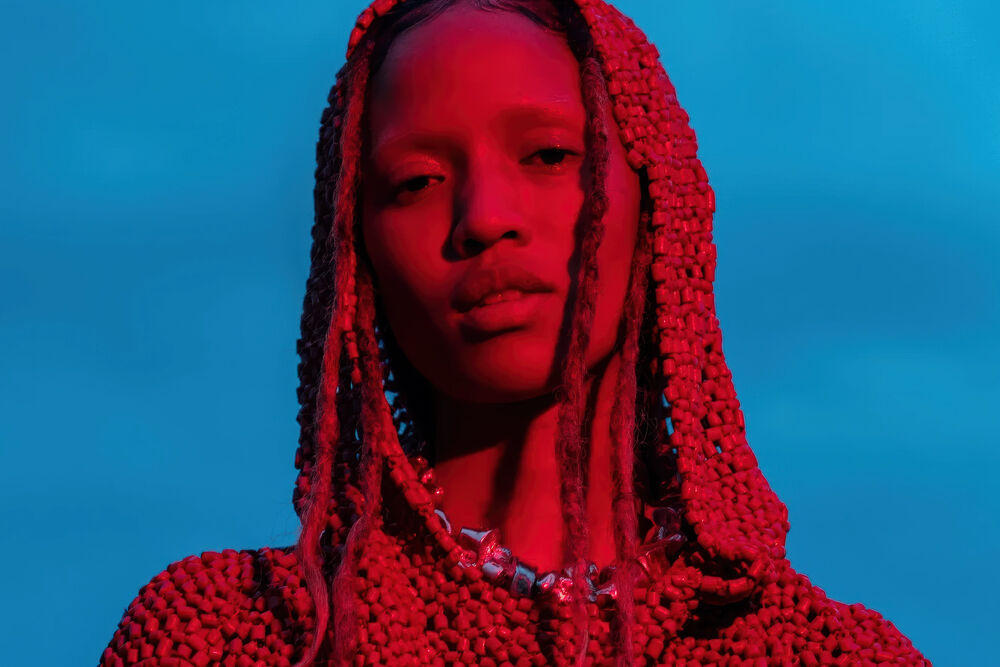
Adesuwa Aighewi
(b. 1988 in Minnesota, USA; based in Bangkok) is a model, interdisciplinary artist and founder of Legacy.World. Her practice moves between fashion, design, material culture, photography, film and social research, investigating the relationships between cultural heritage, labour, identity, ownership and value. Drawing from her Nigerian, Thai and Chinese heritage and from field research across Africa and Asia, Aighewi works directly with artists, craftspeople and local communities to explore how inherited knowledge and existing skills can generate new forms of creative and economic agency.
Legacy.World is an evolving ecosystem for creation, collaboration and cultural exchange founded by Adesuwa Aighewi. Situated between fashion, art, research and community, the project asks how existing cultural knowledge, craftsmanship and local resources can be connected to contemporary global audiences without separating the maker from the value of their work. The project emerged from Aighewi’s broader questioning of the structures of the fashion industry and the unequal distribution of visibility, ownership and economic value within it. Legacy.World therefore treats fashion not only as a commercial medium but as a tool for research, connection and social transformation. Its aim is to create structures through which makers can gain greater visibility, participate in the development of their work and connect directly with international networks and audiences.

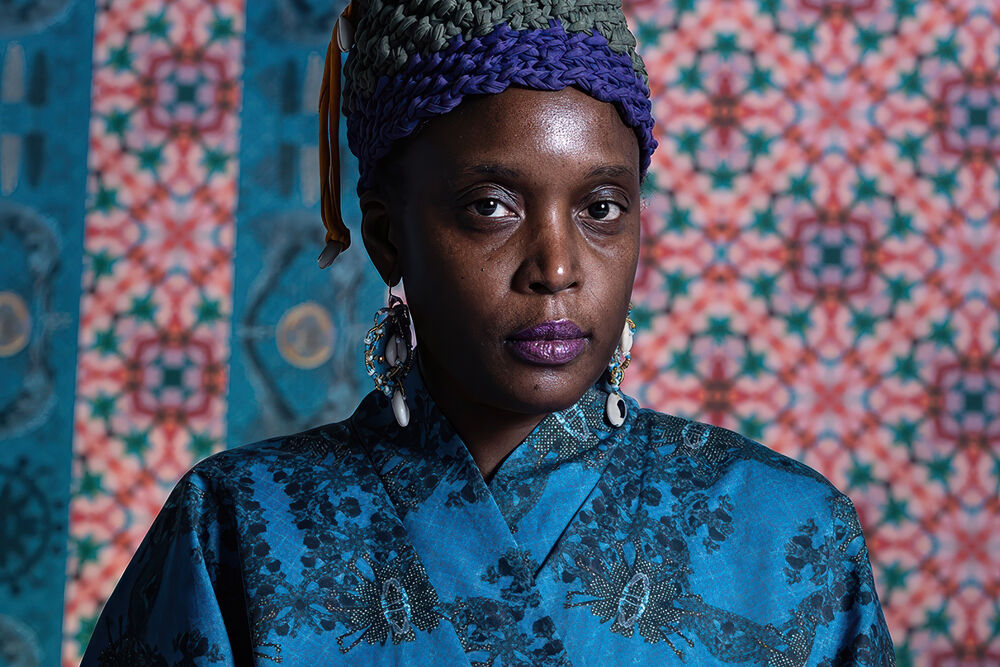
Adama Delphine Fawundu
Adama Delphine Fawundu (b. 1971 in Brooklyn, NY, USA) is a first-generation visual artist with heritage from Sierra Leone and Equatorial Guinea, West Africa. Fawundu is a co-author/editor of the critically acclaimed book »MFON: Women Photographers of the African Diaspora«. This book features over 100 women photographers of African descent from around the globe. Fawundu was featured in the critically acclaimed Netflix documentary film »In Our Mother’s Garden« directed by Shantrelle P. Lewis. Her awards include the Guggenheim Fellowship, Catchlight Fellowship, Rema Hort Mann Artist Grant, the New York Foundation for the Arts fellowship a.o. She received her MFA from Columbia University. She has presented public installations at Prospect Park in Brooklyn and Federal Hall in New York City. Solo show exhibitions and performances include: Utah Museum of Fine Arts, Salt Lake City, USA; Newark Museum of Art, USA; Art@Bainbridge, Princeton University, USA; the Penumbra Foundation, New York City, USA; The Miller Theater at Columbia University, New York City, USA; Wadsworth Atheneum Museum of Art, Hartford, USA; Museum of the African Diaspora, San Francisco, USA; African American Museum in Philadelphia, USA; and Harvey B. Gantt Center for African-American Arts & Culture, Charlotte, USA; a.o. In 2026, Fawundu released her first monograph »Praise House« on Archive Books. Also, her artist book »In Search of the Spirit House« was published by Express Newark and Project for Empty Space. Biennials include the 36th São Paulo Biennal, Brazil; the 1st Malta Biennal; and the 12th Edition of the Bamako Encounters Photography Biennial, Mali. Her works can be found in the collections at the Brooklyn Museum of Art, USA; Museum of African Contemporary Art Al Maaden-Marrakech, Marocco; Newark Museum of Art, USA; Utah Museum of Fine Art Salt Lake City, USA; Portland Museum of Art, USA; Princeton University Museum, USA; Bryn Mawr College, USA; The Brooklyn Historical Society, USA; The Norton Museum of Art, West Palm Beach, USA; The David C. Driskell Center, University of Maryland; The Petrucci Family Foundation, Asbury, USA; a.o. private collections.

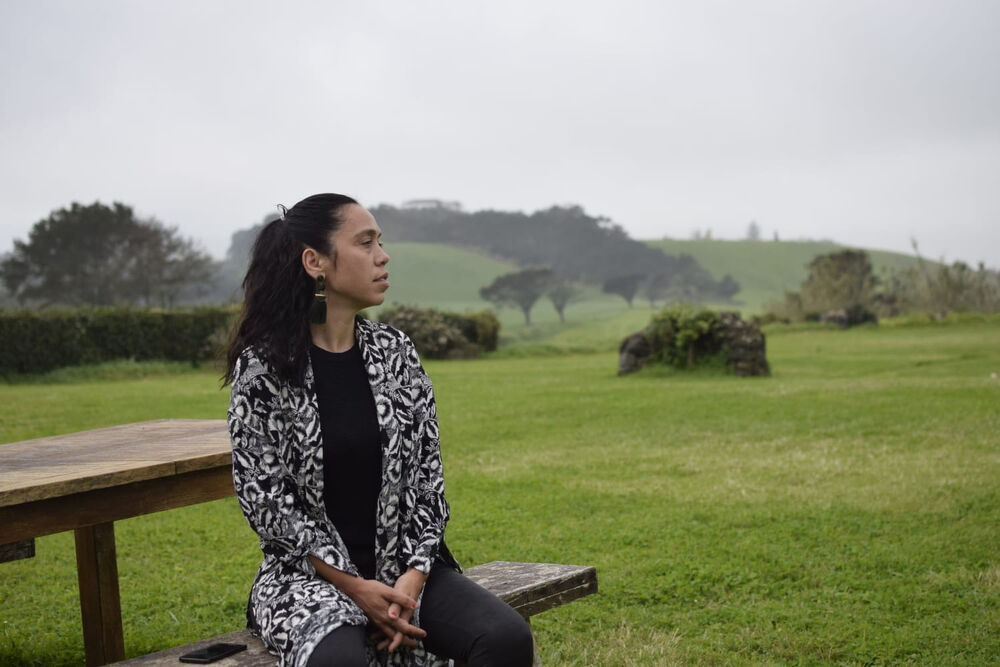
Mónica de Miranda
Mónica de Miranda (b. 1976 in Porto, Portugal) is a visual artist, filmmaker and researcher of Angolan descent, whose interdisciplinary, research-based practice critically engages with the intersections of politics, gender, memory, space and history. Her work spans drawing, installation, photography, film and sound, operating at the boundaries between documentary and fiction. She investigates strategies of resistance, geographies of affect, critical fabulation and ecologies of care. She is the founder and Artistic Director of Hangar (2014), an art and research center in Lisbon, Portugal. Hangar’s programs create spaces where artists, curators and researchers—particularly from the Global South—can co-create and build social and creative networks that benefit their communities. Her work has been presented in international exhibitions including the 13th edition of 1-54 Contemporary African Art Fair, London, UK; the 6th Kochi-Muziris Biennale, India; the 16th Sharjah Biennial, United Arab Emirates; the 1st Malta Biennale; the 3rd Lagos Biennial, Nigeria; the 6th Lubumbashi Biennale, Congo; the 12th Berlin Biennale, Germany; the 12th Dakar Biennale, Senegal; the 5th Casablanca International Biennale, Marocco; Bamako Encounters – 13th African Biennial of Photography, Mali; the 14th Venice Architecture Biennale, Italy; BIENALSUR 2021; Houston FotoFest, USA (2022); and the 18th edition of Fotografia Europea, Reggio Emilia, Italy. In 2024, Mónica represented the Portuguese Pavilion at the 60th Venice Biennale with the project »Greenhouse«. Her solo and group exhibitions have taken place at institutions including Kochi-Muziris Biennale, Kochi, India; Somerset House Courtyard, London, UK; Sharjah Biennial, United Arab Emirates; Wexner Center for the Arts, Ohio, USA; PhotoIreland, Dublin, Ireland; Caixa Cultural, Rio de Janeiro, Brazil; Bildmuseet, Umeå, Sweden; Kadist Art Foundation, Paris, France; Calouste Gulbenkian Foundation, Lisbon, Portugal; MUCEM, Marseille, France; Royal Museum for Central Africa, Tervuren, Belgium; MAAT, Lisbon, Portugal; MUAC, Mexico City, Mexico; Barbican, London, UK; Autograph, London, UK; Frac des Pays de la Loire, Nantes, France; Uppsala Art Museum, Sweden; MNAC, Lisbon, Portugal; and the Camões Cultural Institute, Luanda, Angola; a.o. She was awarded the Soros Arts Fellowship (2024) and the La Caixa Foundation Fellowship (2022) and received the Turin Photography Award (2024).
monicademiranda.org
hangar.com

Alberta Whittle
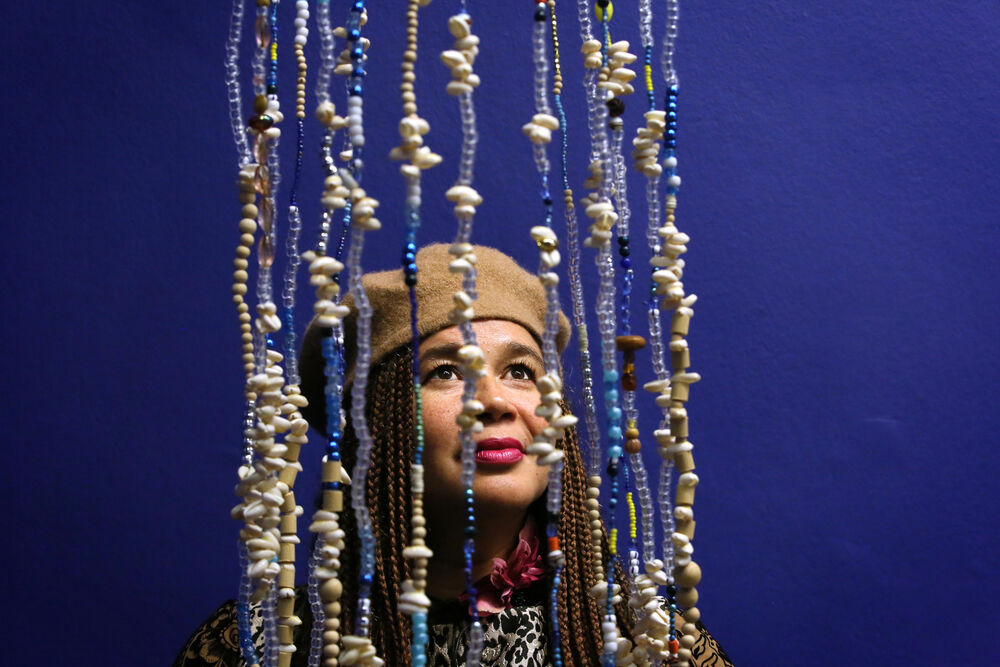
Alberta Whittle (b. 1980 Bridgetown, Barbados) lives and works in Glasgow, Scotland. After studying Fine Art at Edinburgh College of Art, she completed a master’s degree at Glasgow School of Art in 2011. Alberta received her PhD from the University of Edinburgh, Scotland in 2024 and is currently a Research Associate at The University of Johannesburg in South Africa. Her extensive range of exhibitions include a two person solo presentation at IMMA, Dublin, Irland (2026) and other solo exhibitions at Nicola Vassell, New York, USA (2025); Mount Stuart, Isle of Bute, UK (2024); Institute of Contemporary Art, Philadelphia, USA (2024, with Dominique White); Institute of Contemporary Art, Los Angeles, USA (2023); Scottish National Gallery of Modern Art, Edinburgh (2023); Holburne Museum, Bath, UK (2023); Scotland + Venice, 59th Venice Biennale, Italy (2022); University of Johannesburg Gallery, South Africa (2021); Jupiter Artland, Edinburgh (2021); Glasgow International (2021); Grand Union, Birmingham, UK (2020); and Dundee Contemporary Arts, Scotland (2019). Selected group exhibitions include »Dancing the Revolution: From Dancehall to Reggaeton«, Museum of Contemporary Art Chicago, USA (2026); »Earth Matters, Royal Botanical Gardens«, Edinburgh (2026); »Soulscapes«, Dulwich Picture Gallery, London, UK (2024); »Black Atlantic: Power, People, Resistance«, The Fitzwilliam Museum, Cambridge, UK (2023); »Soft and Weak like Water«, 14th Gwangju Biennale, Gwangju, South Korea (2023); »British Art Show 9« (2021–2022); »Moving Bodies, Moving Images«, Whitechapel Gallery, London (2022); »Black Melancholia«, CCS Bard Hessel Museum of Art, Annandale-on-Hudson, USA (2022); »Sex Ecologies«, Kunsthall Trondheim, Norway (2021); and »Life between islands: Caribbean British Art 1950s – Now«, Tate Britain, London (2021). Alberta has received a Paul Hamlyn Foundation Award (2022), a Turner Bursary (2020), Frieze Artist Award (2020), a Henry Moore Foundation Artist Award (2020), and Margaret Tait Award (2018–19). Her work is included in the permanent collections of the Advanced Research Centre, University of Glasgow; Arts Council Collection, UK; Art Gallery of Ontario, Canada; The Contemporary Art Research Collection, Edinburgh College of Art; Glasgow Museums Collection; Government Art Collection, Scotland; The McManus, Dundee; National Galleries of Scotland; and the University of St Andrews, Scotland.
albertawhittlestudio.com
themoderninstitute.com
Participating Cultural Thinkers & Activists:

Pascale Obolo
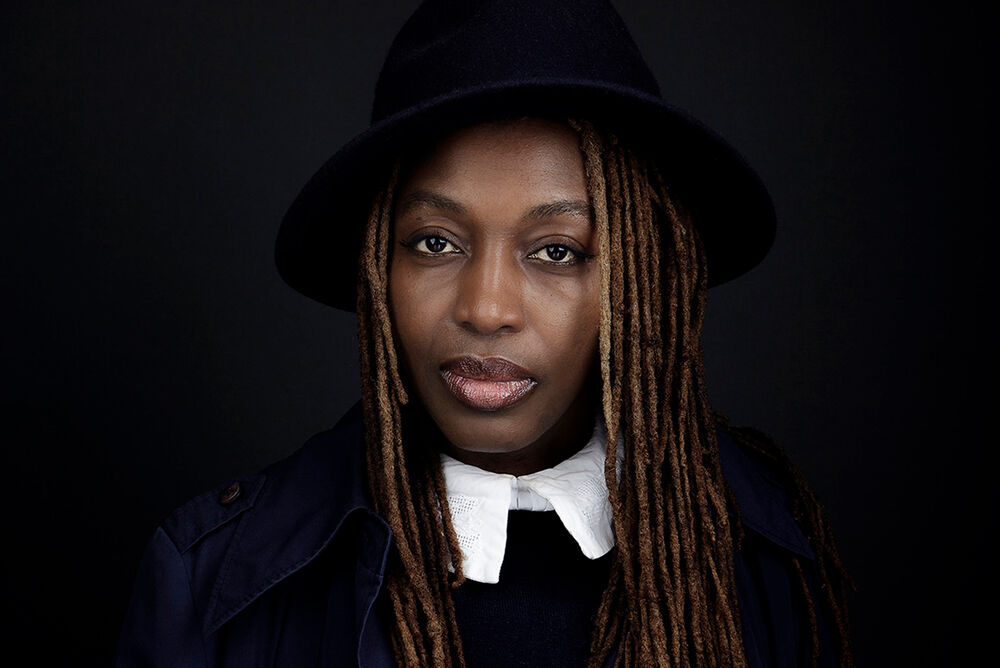
Pascale Obolo (b. 1967 in Jaunde, Cameroon) is an independent curator, filmmaker-researcher, and editor-in-chief of Afrikadaa. Her curatorial practice explores archives, memories, underrepresented narratives, and forms of knowledge transmission from a decolonial perspective. She conceives curation as a collective space for research, knowledge sharing, and experimentation, where knowledge circulates and is continually reimagined. Founder of the African Art Book Fair in Dakar and co-director of Miss Read in Berlin, she also co-initiates and co-directs Labo Bénin in Benin, a curatorial training program of La Grande-Place.

Jessica Horn
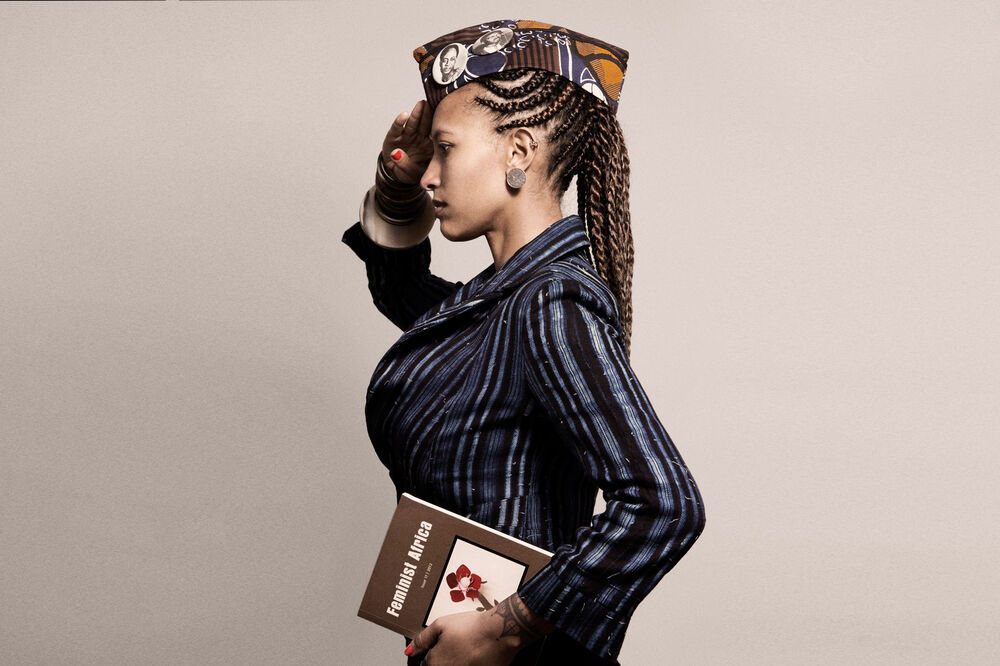
Jessica Horn (b. 1979) is a (East) African feminist ideamonger, award winning poet and founder/director of Hindura Studios, a Nairobi, Kenya based social design agency grounded in futures and feminist thinking. She grew up in Lesotho and Fiji and has lived in 9 countries including Sierra Leone, Ghana and Kenya - migratory experiences that have shaped her transnational vantage point. With a background in women’s health rights, Jessica’s work is grounded in body politics and questions of collective transformation from an embodied feminist perspective. Her book »African Feminist Praxis: Cartographies of Liberatory Worldmaking« (Sage, 2025) documents decades of feminist mobilisation on the continent. Taking her archival passion into film, Jessica recently directed »The Temple of Her Skin«, a feature documentary exploring African women’s journeys with tattooing and scarification. She is also the host of »The Beautiful Policy Podcast« where she interviews practitioners who have turned radical dreams into tangible frameworks. A leader in philanthropy, she has served as the director of programs at the African Women's Development Fund and in 2021 was appointed Regional Director for the Ford Foundation's East Africa office, the first African woman in this role. She has also served on the boards of Mama Cash, Urgent Action Fund-Africa, and the Fund for Global Human Rights, and is a founder member of the African Feminist Forum Working Group. As an activist poet, Jessica has used poetry as a medium to discuss human rights abuses and explore the concept of revolutionary love. She won the IRN FannyAnn Eddy Poetry Award in 2009 for her poem »They have killed Sizakele« and the Sojourner Poetry Prize judged by June Jordan in 2001 for her poem »Dis U.N: For Rwanda«. She is also the author of a collection, »Speaking in Tongues« (Mouthmark, 2006). Jessica was named as one of Applause Africa's "40 African Changemakers under 40".
stillsherises.com
@africanfeministpraxis
Opening: 26.09.2026, 7 PM
Please reserve via: reservation@m-bassy.org
M.Bassy e.V., Schlüterstraße 80, 20146 Hamburg
Run time: 27.09. – 13.11.2026, Opening hours: Thu - Sun, 2 - 6 PM
Accompanying Program:
BIPoC-Workshop #1: 10.10.2026, 6 PM
»The Panafrican Library Will Not Be Colonized // Part II« with Pascale Obolo
Please reserve via: reservation@m-bassy.org
BIPoC-Workshop #2: 16.10.2026, 7 PM
»Our Praxis Is the Map: African Feminisms as Compass« with Jessica Horn
Please reserve via: reservation@m-bassy.org
We would like to thank the BKM – Hamburg Ministry of Culture and Media and the ZEIT STIFTUNG BUCERIUS for their generous funding of the project. Our thanks also go to the studios of Mónica de Miranda and Alberta Whittle, as well as to The Modern Institute/ Toby Webster Ltd., Glasgow, Scotland, for their cooperation and support in realizing the exhibition.

